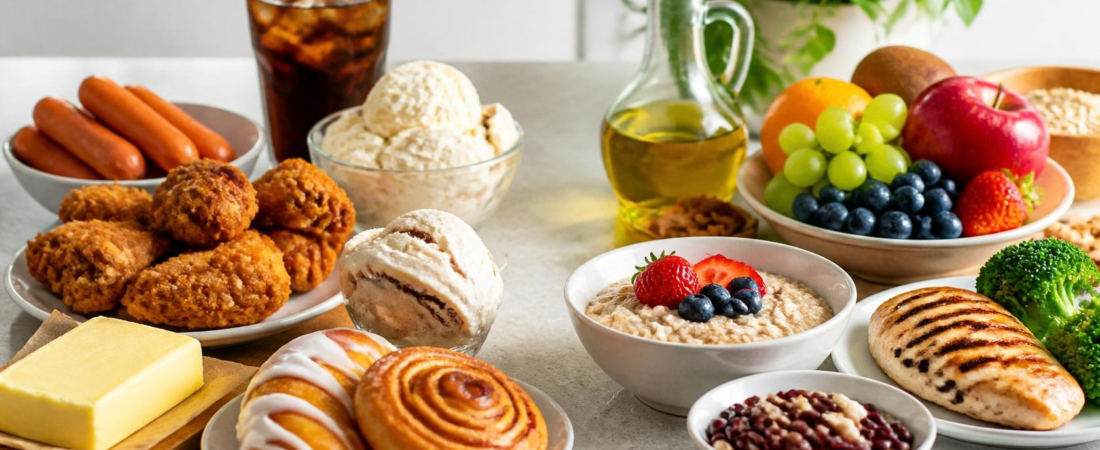
High cholesterol is a common health concern, especially as people get older. Although the body needs cholesterol to build cells and produce hormones, too much LDL cholesterol can increase the risk of plaque buildup in the arteries, heart disease and stroke.
Food is not the only factor that affects cholesterol. Genetics, age, physical activity, body weight and certain medical conditions can also play an important role. However, reducing foods that are high in saturated fat, trans fat and added sugar may help support healthier cholesterol levels.
Here are six foods that people managing high cholesterol may want to limit.
- Solid Cooking Fats
Butter, lard, shortening and some tropical oils are often high in saturated fat. Saturated fat can raise LDL cholesterol levels when consumed frequently or in large amounts.
Instead of using solid fats every day, consider cooking with moderate amounts of unsaturated oils such as olive, canola or avocado oil. These oils can be useful replacements, but portion size still matters because all fats are high in calories.
- Processed Meats
Bacon, sausage, hot dogs, salami and many deli meats can contain significant amounts of saturated fat and sodium.
Eating processed meat occasionally is different from eating it every day. People trying to manage cholesterol may benefit from choosing fish, skinless poultry, beans, lentils or minimally processed lean meat more often.
Checking nutrition labels can also help identify products that are lower in saturated fat and sodium.
- Sugary Soda
Regular soda does not usually contain cholesterol or fat, but it can contain a large amount of added sugar. Consuming too much added sugar may contribute to weight gain and higher triglyceride levels, both of which can affect cardiovascular health.
Water, sparkling water without added sugar, unsweetened tea or water flavored with fresh fruit can be healthier everyday choices.
The goal does not have to be giving up every sweet drink immediately. Gradually reducing the amount and frequency may make the change easier to maintain.
- Fried Chicken
Chicken can be a lean source of protein, but deep-frying it changes its nutritional profile. The breading and frying oil can add saturated fat, calories and sodium.
Grilled, baked, roasted or air-fried chicken may be a better option, particularly when the skin is removed. Seasoning it with herbs, garlic, pepper or lemon can add flavor without relying heavily on salt or rich sauces.
- Ice Cream
Ice cream is often high in saturated fat and added sugar because it is commonly made with cream and whole milk.
This does not mean it must be completely avoided. A smaller serving eaten occasionally can fit into an overall balanced diet. Lower-fat frozen yogurt, fruit-based frozen desserts or fresh fruit with plain yogurt may be useful alternatives.
Pay attention to serving sizes because the amount listed on the package may be smaller than the portion normally eaten.
- Packaged Pastries
Doughnuts, snack cakes, cookies and packaged pastries may contain saturated fat, added sugar and refined carbohydrates. Some products may also contain oils that are high in saturated fat.
Instead of making these foods a daily breakfast or snack, consider oatmeal, whole-grain toast, fruit, nuts or low-fat yogurt.
Reading the ingredient list and Nutrition Facts label can help you compare products and choose options with less saturated fat and added sugar.
Focus on the Overall Eating Pattern
Managing cholesterol is not about identifying one “bad” food. What matters most is the overall pattern of eating over time.
A heart-supportive eating pattern generally emphasizes vegetables and fruits, whole grains, beans and lentils, nuts and seeds, fish and lean proteins, foods containing unsaturated fats and foods naturally high in soluble fiber.
Oatmeal, beans, apples, citrus fruit and other fiber-rich foods can be helpful additions to a balanced diet.
Regular physical activity, maintaining a healthy weight, avoiding tobacco, and taking prescribed medication as directed are also important parts of cholesterol management.
The Bottom Line
Butter and other solid fats, processed meats, sugary soda, fried chicken, ice cream and packaged pastries do not have to be permanently forbidden. However, eating them less often and choosing healthier replacements may make it easier to manage cholesterol.
Anyone with high cholesterol should discuss personal dietary needs, blood test results and medication with a qualified healthcare professional. Diet can help, but it should not replace prescribed medical treatment.
Medical disclaimer: This article is for general informational purposes only and is not a substitute for professional medical advice, diagnosis or treatment.
Sources: Centers for Disease Control and Prevention and the American Heart Association.