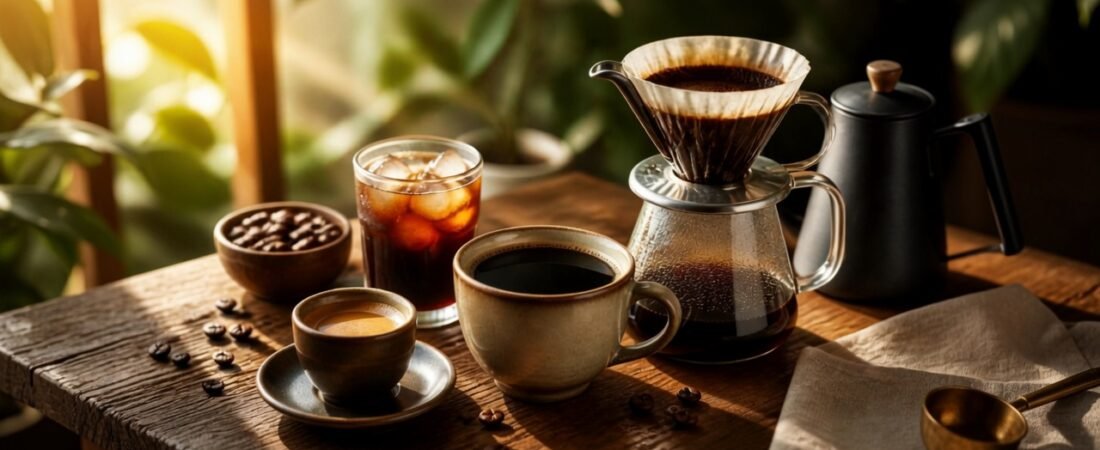
Coffee is more than a morning energy boost. It is part of a daily routine for millions of people, and for coffee lovers, its aroma, flavor, and brewing style can be just as important as its caffeine.
Research suggests that moderate coffee consumption may be linked to several health benefits. However, the effects depend on how much you drink, when you drink it, how it is prepared, and what you add to your cup.
Here is what coffee drinkers should know about the health benefits of coffee, caffeine content, roast levels, and healthier ways to enjoy every cup.
Coffee Can Improve Energy and Focus
Caffeine is a natural stimulant that affects the brain and nervous system. It can temporarily reduce tiredness and improve alertness, concentration, and reaction time.
This explains why many people enjoy coffee in the morning or before work that requires focus. Caffeine affects everyone differently. Some people feel more alert after one small cup, while others need more to notice the same effect.
The body can also develop tolerance when caffeine is consumed regularly. A person who drinks coffee every day may not feel the same strong effect as someone who drinks it occasionally.
Coffee Contains More Than Caffeine
Coffee naturally contains antioxidants and plant compounds, including polyphenols. These compounds help protect cells from oxidative stress and may support the body’s response to inflammation.
Both regular and decaffeinated coffee contain beneficial plant compounds. This means caffeine is not the only reason coffee is being studied for its possible health effects.
For people who enjoy the taste and aroma of coffee but are sensitive to caffeine, decaf can still be a satisfying option. Decaffeinated coffee is not always completely caffeine-free, but it usually contains much less caffeine than regular coffee.
Possible Heart and Metabolic Benefits
Large observational studies have associated moderate coffee consumption with a lower risk of cardiovascular disease, stroke, heart failure, and type 2 diabetes.
These findings do not prove that coffee directly prevents disease. Coffee drinkers may also have other habits that influence their health. Still, the overall research suggests that moderate coffee consumption can fit into a balanced lifestyle for many adults.
Coffee may temporarily raise blood pressure, particularly in people who do not consume it regularly. Regular coffee drinkers may develop some tolerance to this short-term effect over time.
Coffee has also been linked to a lower risk of developing type 2 diabetes. Similar associations have been found with both regular and decaffeinated coffee, suggesting that compounds other than caffeine may play a role.
Coffee and Brain Health
Caffeine can support short-term alertness, attention, and mental performance. Long-term studies have also found an association between coffee consumption and a lower risk of certain neurological conditions, including Parkinson’s disease.
Researchers continue to study how caffeine, antioxidants, and other compounds in coffee may affect the brain. The results are encouraging, but coffee should be enjoyed as a beverage rather than treated as a guaranteed way to prevent disease.
How Much Caffeine Is Generally Considered Safe?
According to the FDA, up to 400 milligrams of caffeine per day is not generally associated with negative effects for most adults. This is approximately the amount in two or three 12-ounce cups of brewed coffee.
However, the number of cups does not always tell the whole story. Caffeine content varies depending on:
- Serving size
- Type of coffee bean
- Amount of ground coffee used
- Brewing method
- Brewing time
- Coffee shop or brand
A large café drink may contain significantly more caffeine than a small cup brewed at home. Checking the serving size is often more useful than simply counting cups.
Espresso, Drip Coffee, and Cold Brew
Espresso contains more caffeine per ounce than most brewed coffee, but it is normally served in a much smaller portion. A full cup of drip coffee may therefore provide more total caffeine than a single shot of espresso.
Cold brew can also vary widely. Some cold-brew drinks are ready to drink, while others are concentrated and intended to be mixed with water or milk. Drinking cold-brew concentrate without diluting it can result in a much higher caffeine intake than expected.
Coffee lovers should consider both the strength of the drink and the size of the serving.
Does Dark Roast Have More Caffeine?
A darker, stronger flavor does not always mean more caffeine. Dark-roast coffee tastes bolder because the beans have been roasted longer, but roast level alone does not determine the caffeine content of the final drink.
The amount of coffee used and the brewing method usually make a greater difference. Light and dark roasts can both produce high- or low-caffeine drinks depending on how they are measured and prepared.
Choose a roast based on the flavor you enjoy instead of assuming that a darker roast will provide a stronger caffeine boost.
The Best Time to Drink Coffee
Coffee is often most useful earlier in the day. Caffeine can remain in the body for several hours, so an afternoon or evening cup may interfere with sleep even when you can fall asleep normally.
People who notice lighter sleep, frequent waking, or morning tiredness may benefit from moving their final cup to an earlier time. Decaf is another option for enjoying coffee later in the day without consuming as much caffeine.
Signs You May Be Drinking Too Much
High caffeine intake can cause:
- Trouble sleeping
- Nervousness or anxiety
- Headaches
- Shakiness
- Upset stomach
- A rapid or noticeable heartbeat
Reducing the serving size or replacing one regular cup with decaf may help. People who drink several cups daily may find it more comfortable to reduce caffeine gradually rather than stopping suddenly.
Coffee and Energy Drinks Are Different
The potential benefits associated with coffee should not automatically be applied to energy drinks. Coffee naturally provides antioxidants and plant compounds, while many energy drinks contain concentrated caffeine, added sugar, and additional stimulants.
Energy drinks can also make it easier to consume a large amount of caffeine quickly. Unsweetened coffee or tea is generally a simpler choice for everyday caffeine consumption.
Healthier Ways to Enjoy Coffee
Black coffee is naturally very low in calories. Its nutritional value changes when large amounts of sugar, flavored syrup, whipped cream, or sweetened creamer are added.
Coffee does not have to be completely plain to remain a reasonable choice. A small amount of milk, cinnamon, or unsweetened cocoa can add flavor without turning it into a high-sugar dessert drink.
Coffee can be an enjoyable part of a healthy routine. Pay attention to the serving size, brewing method, additions, time of day, and how your body responds. Whether you prefer espresso, drip coffee, cold brew, or decaf, enjoying it thoughtfully matters more than following one perfect rule.
Sources: U.S. Food and Drug Administration, National Institutes of Health, Harvard T.H. Chan School of Public Health