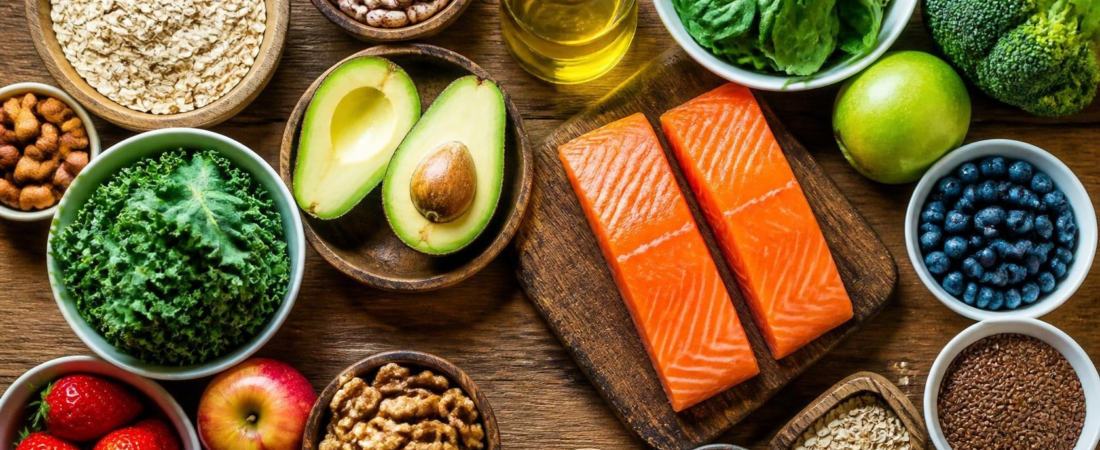
High cholesterol is a common health concern, but consistent changes in your daily diet can make a meaningful difference. You do not need to follow an extreme diet or completely give up the foods you enjoy. The goal is to choose more heart-healthy foods while gradually reducing foods that can raise LDL cholesterol.
The foods that support healthier cholesterol levels are not unusual or difficult to find. Many are familiar everyday foods, including oatmeal, beans, vegetables, fruit, whole grains, fish, nuts, and olive oil.
What Is Cholesterol?
Cholesterol is a waxy substance that your body uses to build cells and produce hormones. Your body needs some cholesterol, but having too much cholesterol in your blood can contribute to fatty buildup in the arteries and increase the risk of heart disease and stroke.
LDL is often called “bad” cholesterol because high levels can contribute to plaque buildup in the arteries. HDL is known as “good” cholesterol because it helps carry cholesterol away from the arteries.
Because high cholesterol usually does not cause noticeable symptoms, a blood test is the most reliable way to know your cholesterol levels and track your progress.
1. Eat More Soluble Fiber
Soluble fiber can help reduce the amount of cholesterol absorbed in the digestive system. Good sources include:
- Oatmeal and oat bran
- Barley
- Beans and lentils
- Apples and pears
- Oranges
- Carrots
- Brussels sprouts
A simple way to increase soluble fiber is to eat oatmeal for breakfast, add beans to salads or soups, and choose a piece of fruit for a snack.
Increase fiber gradually and drink enough water, especially if your current diet is low in fiber. When repeated consistently, these small changes can make a meaningful difference.
2. Replace Saturated Fat With Healthier Fat
Saturated fat can raise LDL cholesterol. It is commonly found in fatty meats, butter, full-fat dairy products, fried foods, baked goods, coconut oil, and palm oil.
Instead of removing all fat from your diet, replace some saturated fat with healthier unsaturated fat. Better choices include:
- Olive or canola oil
- Avocados
- Almonds, walnuts, and other unsalted nuts
- Seeds
- Salmon, sardines, and other fish
- Natural peanut or almond butter
For example, cook with olive oil instead of butter and choose fish or skinless chicken more often than fatty cuts of meat.
Replacing one food with a healthier option is often easier and more sustainable than trying to avoid entire food groups.
3. Choose Lean Protein
Some protein foods contain large amounts of saturated fat. Choose leaner options such as:
- Fish
- Skinless chicken or turkey
- Beans and lentils
- Tofu
- Low-fat or fat-free dairy products
- Lean cuts of meat in moderate portions
Try replacing one or two meat-based meals each week with beans, lentils, or tofu. These foods provide protein while also adding fiber to your diet.
You do not have to stop eating meat completely. Choosing leaner portions and eating plant-based meals more often can improve the overall balance of your diet.
4. Eat More Fruits, Vegetables, and Whole Grains
Fruits, vegetables, and whole grains provide fiber, vitamins, minerals, and other nutrients that support heart health.
Choose foods such as:
- Brown rice
- Whole-wheat bread
- Oats
- Barley
- Quinoa
- Leafy green vegetables
- Berries
- Apples
- Broccoli
- Tomatoes
A helpful goal is to fill about half of your plate with vegetables and fruit, one quarter with whole grains, and one quarter with lean protein.
This simple plate method can help you improve your meals without counting every calorie or following a complicated diet plan.
5. Limit Highly Processed Foods
Processed meats, packaged snacks, pastries, fast food, and many fried foods can contain high amounts of saturated fat, sodium, added sugar, or trans fat.
Try to limit:
- Bacon, sausage, and hot dogs
- Fried chicken and french fries
- Doughnuts, pastries, and cookies
- Chips and heavily processed snacks
- Butter and heavy cream
- Full-fat cheese and ice cream
- Packaged foods high in saturated fat or added sugar
You do not have to avoid every favorite food forever. Eating smaller portions and having these foods less frequently can make your diet easier to maintain.
What you eat most of the time matters more than one occasional meal.
6. Read Nutrition Labels
Nutrition labels can help you compare products and make better choices. Check the amount of saturated fat, trans fat, added sugar, sodium, and fiber in each serving.
A product may appear healthy because it says “natural” or “low cholesterol,” but it may still contain a large amount of saturated fat or added sugar. Always check the complete nutrition label and serving size.
When comparing similar products, choose the one with less saturated fat and more dietary fiber.
A Simple Heart-Healthy Meal Plan
Breakfast: Oatmeal topped with berries and a small amount of walnuts
Lunch: Mixed-green salad with beans or grilled chicken, vegetables, and an olive-oil-based dressing
Snack: An apple, pear, or a small handful of unsalted nuts
Dinner: Baked salmon, brown rice, and steamed vegetables
Dessert: Fresh fruit or low-fat plain yogurt
This is only an example. Meals can be adjusted according to personal preferences, culture, and budget. The goal is not to eat a perfect menu every day but to make healthier choices more often.
Small Changes Can Produce Meaningful Results
Trying to change your entire diet overnight can feel overwhelming. Start with one or two realistic changes, such as eating oatmeal several mornings a week, replacing butter with olive oil, adding beans to a meal, or serving more vegetables at dinner.
People who already take cholesterol-lowering medication can still benefit from healthier food choices. Medication and dietary management are not opposing choices. They can work together to support better cholesterol control.
For people whose cholesterol levels are near the high range, improving daily eating habits can be an important opportunity to make progress. The recommended foods are not unusual remedies or dangerous products. They are familiar, widely available foods that many people already eat.
Healthy eating is not about perfection. It is about repeating better choices long enough for the body to respond. A healthier breakfast, a better choice of cooking oil, and an additional serving of vegetables may seem like small steps, but these everyday choices can add up to meaningful improvement over time.